Home Science Team Press Contact Request Deck

ULTRA-EARLY CANCER DETECTION

Your cells emit light.
We learned to read it.

No blood draw. No biopsy. No radiation. Detects cancer 100-200x earlier than standard imaging.

Cancer is caught too late.

Every 60 seconds, the U.S. loses one person to cancer. Not because treatments fail, but because they start too late.

>90%
5-year survival
when caught early
~30%
5-year survival
when caught late

The Science

Cancer has a light signature.

Every cell in your body emits faint light as a byproduct of metabolism. These signals are invisible to the eye, but real and measurable.

Cancer cells process energy differently. The light they produce shifts: altered wavelengths, changed intensity. This happens at the metabolic level, before any mass forms.

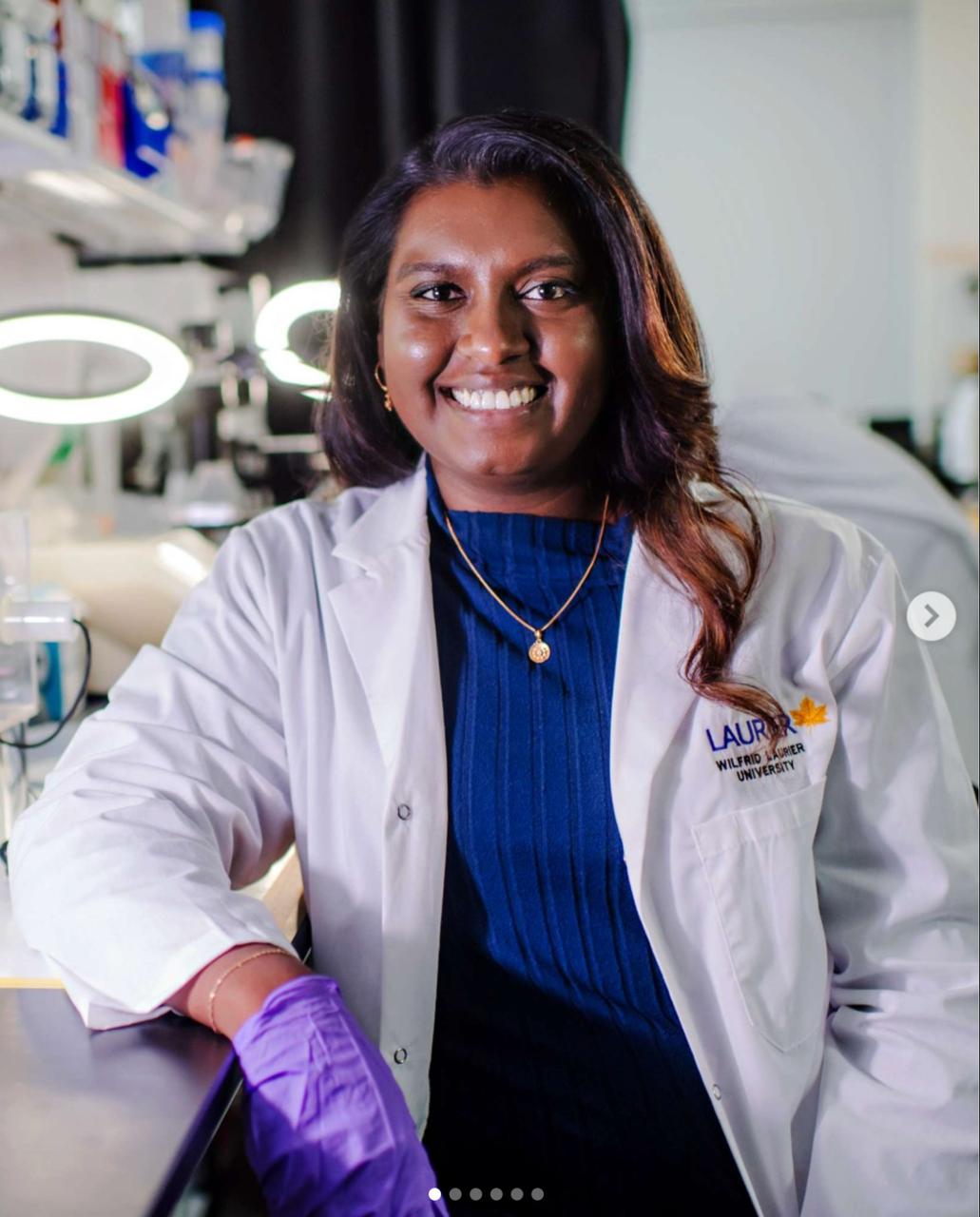
Dr. Nirosha Murugan spent a decade building technology that reads these signals with enough precision to identify cancer at 100-200x fewer cells than standard imaging.

Cancer progression stages timeline

The Scan

We built the tool to read it.

We've built prototype devices and validated them in peer-reviewed studies. Now we're developing the clinical version.

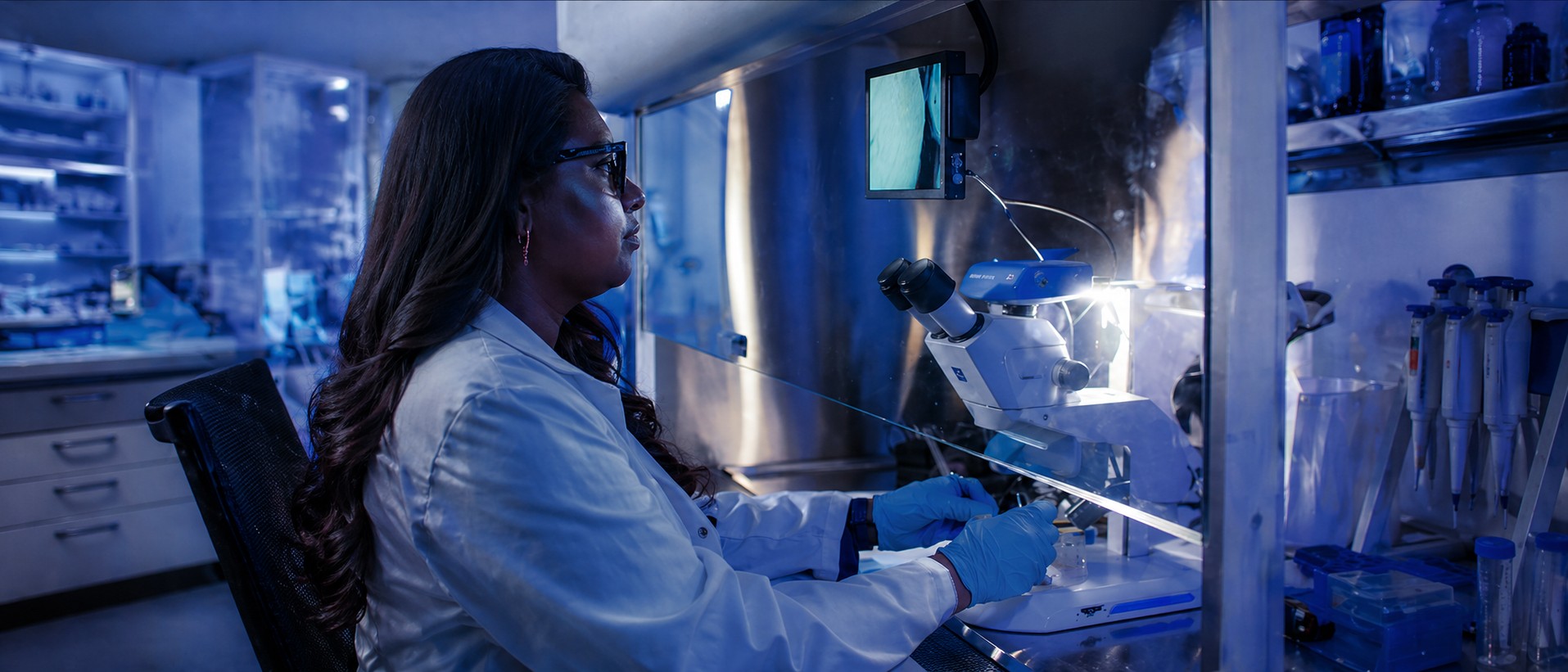
A patient sits in a dark room for about fifteen minutes. A sensor reads the faint light coming off their body. AI analyzes the signal. Same visit, same day.

No blood draw. No biopsy. No radiation.

Two systems. One signal.
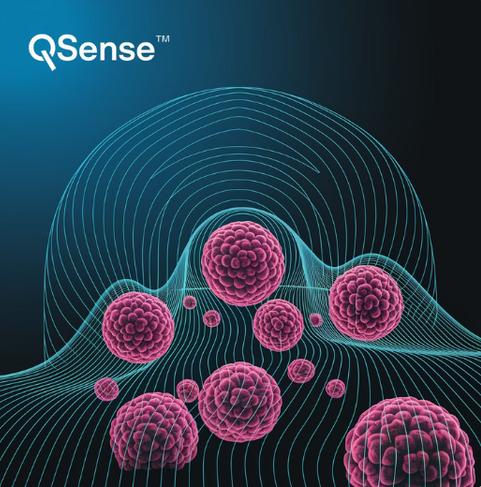
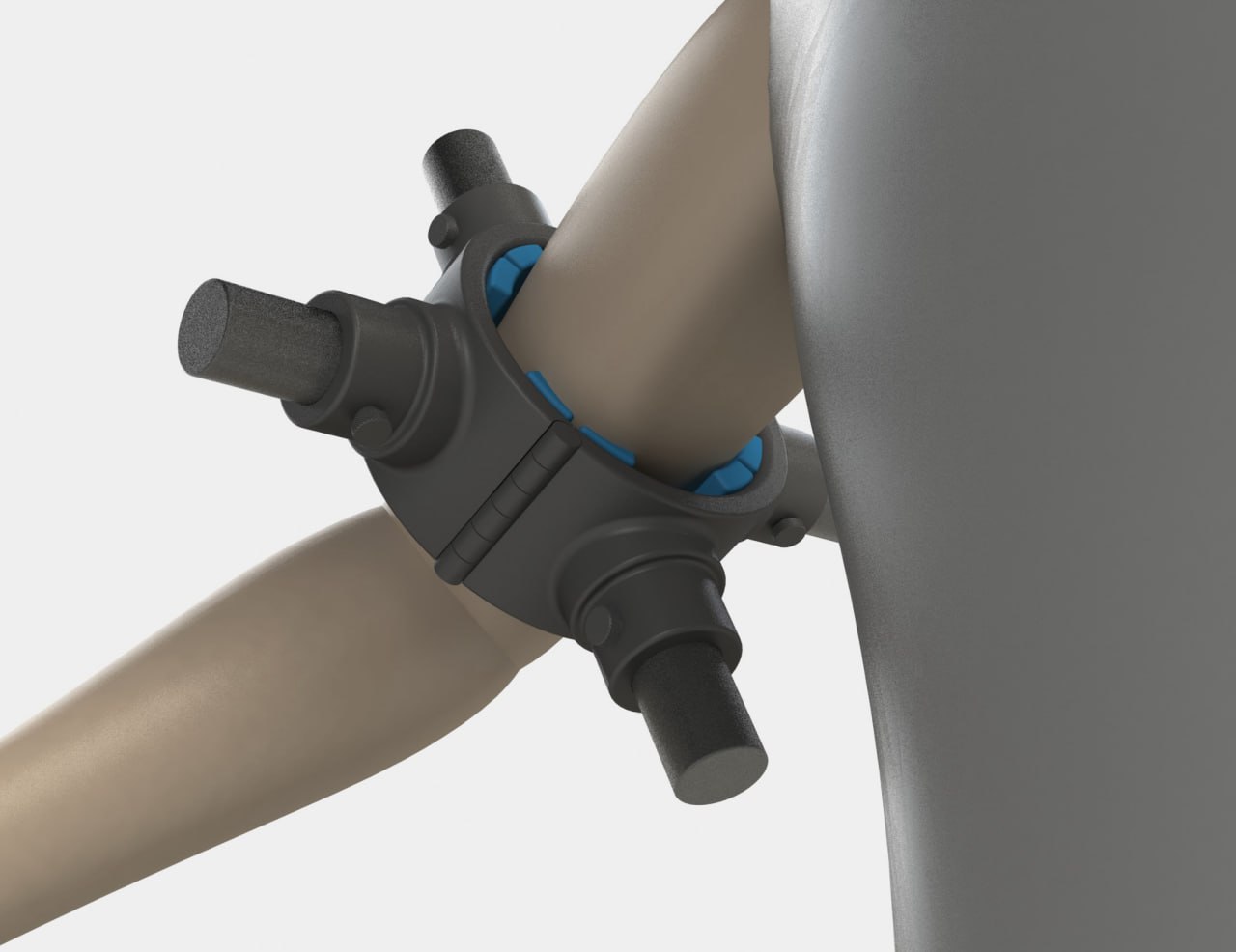
QSense

Hardware

QSense™

A sensor array sensitive enough to count individual photons from living tissue. Non-invasive, radiation-free, and designed to detect cancer signals before a tumor forms. Dark, controlled environment. No contact with the body. Fifteen minutes.

Current Status: Functional prototype built and ready for human studies.

LuminAI

Software

LuminAI™

AI trained on 10 years of data from cell and animal models. It processes roughly a million data points per scan, analyzing photon counts, wavelength ratios, and emission timing to distinguish healthy tissue from cancer. Real-time results. The system refines its accuracy with every dataset it processes.

Current Status: Fully developed code, integrated with hardware.

"These sensors were built to detect faint light from distant stars. We pointed them at the faint light coming off the human body, and built an AI that uses it to read the state of your cells and tell healthy tissue from cancer."

Dr. Nirosha Murugan, Chief Scientist & Co-Founder

Explore the published research →

"The goal is not just to tell whether there's cancer in the body. It's to find it at very, very low densities."

Dr. Nirosha Murugan, Chief Scientist & Co-Founder
What It Can Detect

Proven in the lab.
Heading to humans.

Featured · Human Study In Preparation

Skin Cancer
Detection

90-92% accuracy across multiple cancer cell lines in cell cultures and animal studies. Detected cancer within 24 hours of exposure. Tumors weren't physically detectable for another 18 days. First human study targeting Q3 2026 with a Beverly Hills dermatology partner.

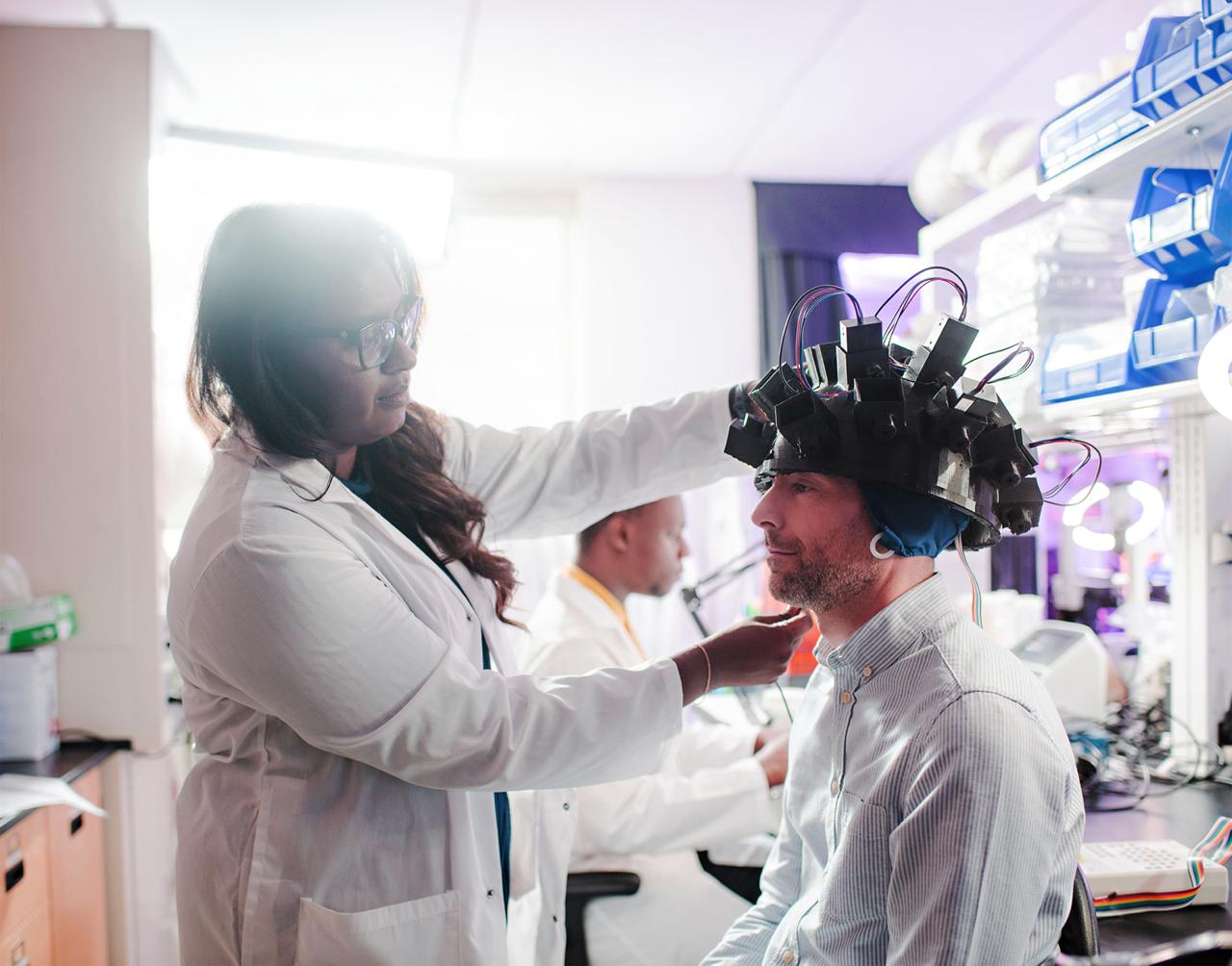
Dr. Murugan fitting photon-sensing helmet on research subject
Published · 2025 · Cell Press

Brain
Health

World's first study reading brain activity through light alone. Published in iScience (Cell Press), 2025. Tracked brain activity in 20 living subjects, cross-validated against EEG. The same platform is designed to monitor brain health after chemotherapy, concussion, and neurodegeneration.

Research Frontier

Metabolic &
Systemic Disease

The metabolic disruptions in cancer also appear in diabetes, cardiovascular disease, and autoimmune conditions. Published research shows light tracks those disruptions directly. HelioFlux is pursuing that. Cancer is first, but the platform is designed to go further.

If you can read metabolism through light, cancer is just the beginning.

The scientist behind
the technology.

Dr. Nirosha Murugan
Dr. Nirosha Murugan
Chief Scientist & Co-Founder

Canada Research Chair in Tissue Biophysics. Trained in Michael Levin's lab at Tufts and the Harvard Wyss Institute. 40+ peer-reviewed publications. $1.3M+ in active research grants. She built this science. HelioFlux is how it reaches the world.

Meet the full team →

Featured In

Scientific American NPR Radiolab Cell Press CBC News LA Business Journal
Read press coverage →

NVIDIA Inception Program Member

The science works.
The next step is human data.

Ten years of published research. Three peer-reviewed papers. Validated across cancer cell lines, animal models, and living human subjects. We're raising a pre-pilot round to fund our first IRB-approved human study: the step that takes this from published science to a clinical product.

Request Investor Deck Schedule a Conversation →
© 2026 HelioFlux Inc. All rights reserved. HelioFlux is in research-stage validation. Not FDA cleared. Not intended to diagnose or treat any disease.
¹ Imaging detectability is often discussed around ~1 cm3 (~1 g), roughly ~108–109 cells (Frangioni JV, 2008; Davis L et al., Cancers 2022).
² Tumor growth modeling shows time to detectability can range from ~2 years (fast) to ~10 years (moderate), depending on doubling time (Holland et al., NCBI Bookshelf).